







UN Envoy Urges Stronger Arms Embargo Enforcement in Haiti
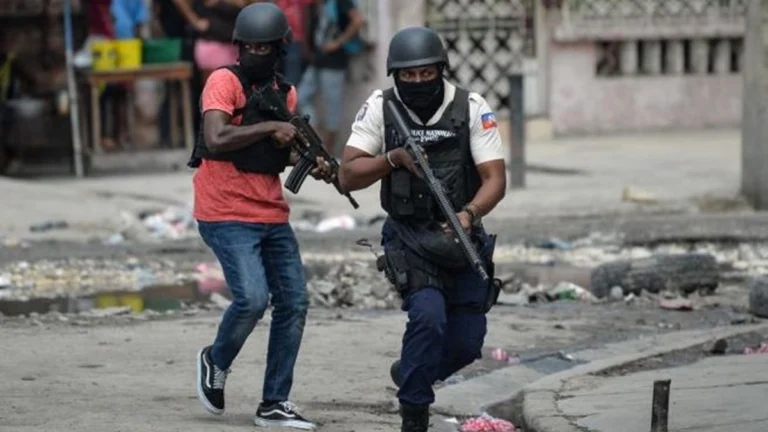
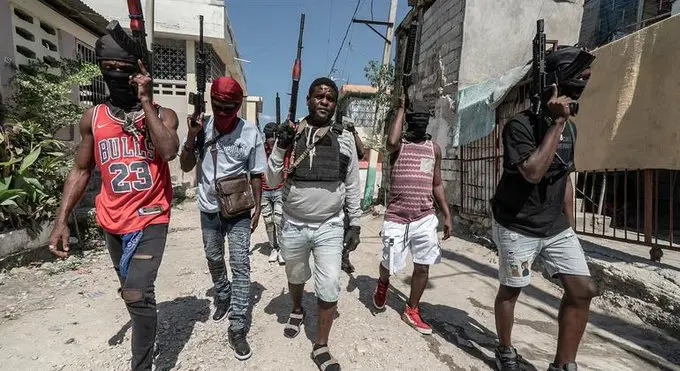
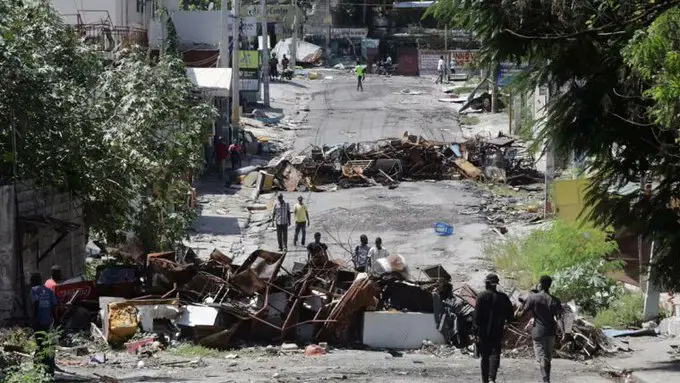
Gang violence in Haiti. X/ @africansinnews
April 23, 2026 Hour: 1:16 pm
🔗 Comparte este artículo
Rising violence and displacement highlight urgent security gaps.
On Thursday, the United Nations Special Representative in Haiti, Carlos Ruiz Massieu, called for strengthening the arms embargo and tightening weapons controls to confront the cycle of violence engulfing the Caribbean country.
RELATED:
“This cycle must be broken. Strengthening enforcement of the arms embargo, combating trafficking and tightening weapons controls must remain an absolute priority,” he said during a United Nations Security Council briefing on Haiti.
The council meeting took place in the context of the mandate of the U.N. Integrated Office in Haiti (BINUH), focusing on the deterioration of security, the humanitarian crisis and the country’s political stalemate.
Large-scale attacks, such as those recently recorded in Jean Denis, in the Artibonite department, where at least 70 people were killed, are “closely linked” to the continued flow of illicit arms and ammunition, Ruiz Massieu said.
While he acknowledged that sanctions remain “a fundamental tool,” the diplomat stressed the importance of intensifying efforts to curb weapons flows, which fuel the expansion of gangs and criminal control.
“When access to ammunition is reduced, violence declines. When supply resumes, large-scale attacks continue,” Ruiz Massieu said.
He also recalled that more than 1.45 million people are internally displaced in Haiti, mostly due to violence, and that an estimated 6.4 million Haitians will need humanitarian assistance in 2026.
In this context, Ruiz Massieu underscored the importance of BINUH and other initiatives supporting Haiti, which he described as essential to ensure that international assistance is “coherent, coordinated and aligned with national priorities.”
On Thursday, the Inter-American Commission on Human Rights (IACHR) expressed concern over the escalation of violent attacks in Haiti and shortcomings in the state response to prevent them.
Widespread violence in Haiti “has disrupted livelihoods, access to transportation, education and health care, with significant impacts on children’s life prospects,” the IACHR said.
UN Envoy Outlines Strategy for Anti-Gang Force in Haiti
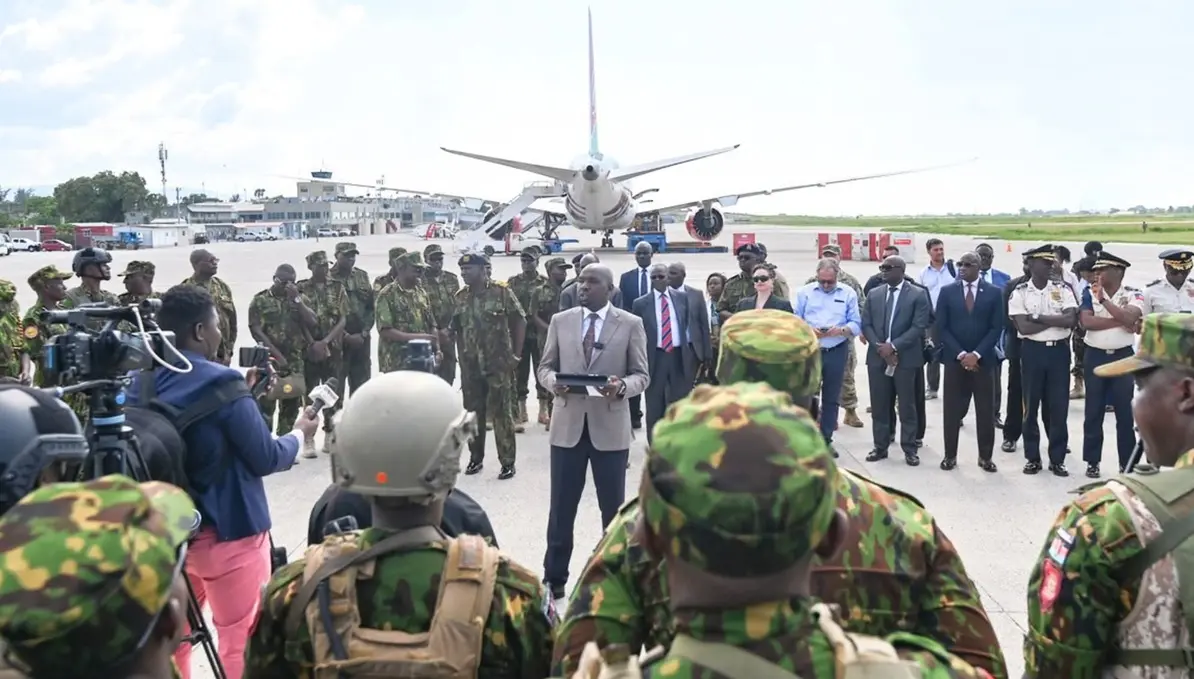
On Thursday, Radio Tele Patriarche reported on the intervention of Jack Christofides, the leader of the United Nations-backed Gang Suppression Force (GSF), during a United Nations Security Council meeting.
“We are not starting from zero. But we are approaching the task differently,” he said, referring to the Multinational Security Support Mission (MSS), the Kenya-led force present in Haiti since June 2025.
He made it known that the FRG was not conceived as an end in itself but as a means of allowing Haitian institutions to regain control and create the conditions for long-term stability.
To that end, Christofides said a deployment plan was developed in consultation with Haitian authorities with clear objectives such as “reducing the operational capacity of gangs” and “strengthening the intervention capacity of law enforcement to ensure lasting security.”
He said the force works closely with Haitian authorities to ensure that arrangements related to the detention and treatment of individuals comply with legal standards and operational realities.
teleSUR/ JF
Sources: Radio Tele Patriarche – EFE